.png)
Home Mold Detection: Identifying Mold Problems in Your Home
Mold is one of those unwelcome guests that nobody wants in their home. Yet, it can sneak in quietly, hiding in damp corners or behind walls, causing trouble before you even notice. If you’ve ever wondered whether you might have mold lurking around, you’re not alone. I’ve been there too, asking myself, “Is that musty smell normal, or is it mold?” Let’s dive into how to spot mold problems early and what you can do about them.
Why Home Mold Detection Matters
Detecting mold early is crucial. Mold doesn’t just look unpleasant; it can damage your home and affect your health. The tricky part is that mold often grows in places you can’t see right away. That’s why home mold detection isn’t just about spotting black spots on walls. It’s about understanding the signs and knowing where to look.
For example, if you notice a persistent musty odor in your basement or bathroom, that’s a red flag. Or maybe you’ve seen water stains or peeling paint on your walls. These could be clues that moisture is present, creating the perfect environment for mold to grow.
Here are some practical tips for home mold detection:
Check damp areas: Basements, bathrooms, kitchens, and laundry rooms are prime spots.
Look behind wallpaper and under carpets: Mold can hide in these places.
Inspect around windows and doors: Condensation can lead to mold growth.
Use a flashlight: Shine it into dark corners and behind furniture.
Pay attention to your nose: A musty smell often means mold is nearby.
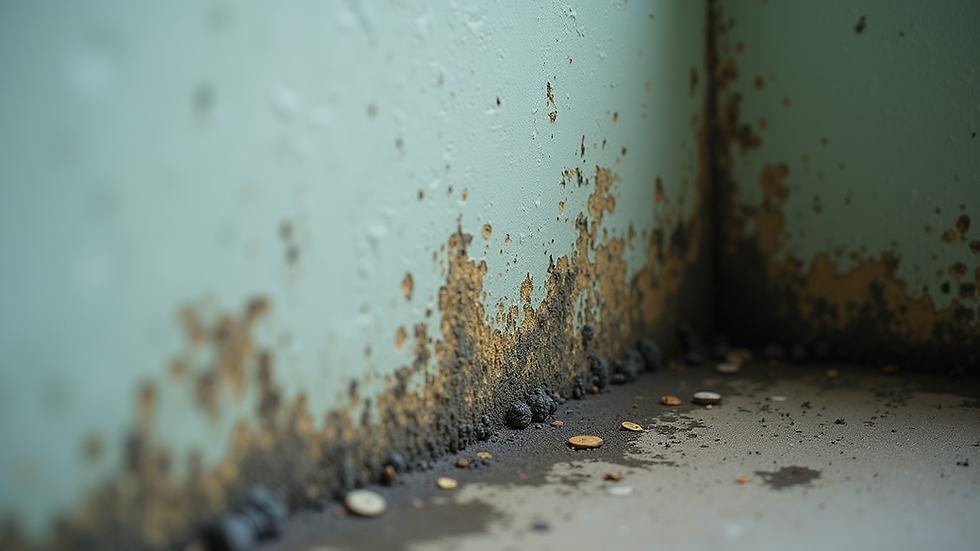
How to Perform Effective Home Mold Detection
When I first started looking for mold in my own home, I realized it’s not just about seeing it. Sometimes, mold is microscopic and invisible to the naked eye. That’s why a thorough inspection involves more than just a quick glance.
Start by assessing moisture sources. Mold loves moisture, so any leaks, spills, or condensation can be a breeding ground. Fixing these issues is the first step in preventing mold growth.
Next, consider using mold test kits available at hardware stores. These kits can help you identify mold spores in the air or on surfaces. However, keep in mind that these tests have limitations and might not catch everything.
If you want peace of mind, hiring a professional mold inspector is a smart move. They have specialized tools like moisture meters and infrared cameras to detect hidden mold and moisture problems.
Here’s a simple checklist for your home mold detection:
Inspect visible surfaces for discoloration or fuzzy patches.
Check for water damage signs like stains or warping.
Test indoor air quality if you suspect mold but can’t see it.
Address any leaks or moisture issues immediately.
Consider professional inspection if you’re unsure.

Is it Harmful to Live in a House with Mold?
This is a question I’ve asked myself more than once. The short answer? Yes, it can be harmful, especially if the mold problem is extensive or if you have allergies, asthma, or a weakened immune system.
Mold releases tiny spores into the air, which can cause allergic reactions like sneezing, coughing, and itchy eyes. Some molds produce mycotoxins, which are toxic substances that can lead to more serious health issues.
Living with mold can also worsen respiratory problems and cause headaches or fatigue. Kids, elderly people, and pets are often more vulnerable to these effects.
If you notice symptoms that improve when you leave your home, mold might be the culprit. That’s why identifying and addressing mold problems quickly is so important.
Here’s what you can do if you suspect mold is affecting your health:
Consult a healthcare professional to discuss your symptoms.
Improve ventilation in your home to reduce moisture.
Use air purifiers with HEPA filters.
Remove mold safely or hire professionals for large infestations.
Common Places Mold Hides in Your Home
Mold is a master of disguise. It can grow almost anywhere there’s moisture and organic material. Knowing where to look can save you a lot of trouble.
Basements and crawl spaces: These areas are often damp and poorly ventilated.
Bathrooms: Showers, tubs, and sinks create humid environments.
Kitchens: Leaky pipes and spills under sinks are common culprits.
Attics: Roof leaks can cause mold growth on insulation and wood.
Behind walls and wallpaper: Mold can grow unseen if there’s a hidden leak.
HVAC systems: Mold can spread through air ducts if moisture is present.
If you’re wondering about that musty smell or suspicious spots, it’s worth checking these areas carefully. Sometimes, you might even find mold growing inside your air conditioning unit or around window sills.
Remember, if you ever ask yourself, “Is there mold in my house?” you can always reach out to experts who specialize in mold inspection and indoor air quality. They can help you get to the bottom of the problem.
Taking Action: What to Do When You Find Mold
Finding mold can feel overwhelming, but don’t panic. The good news is that many mold problems are manageable with the right approach.
First, identify and fix the source of moisture. Without moisture, mold can’t survive. This might mean repairing leaks, improving drainage, or using dehumidifiers.
Next, small mold patches can often be cleaned with household products like vinegar or a mixture of water and detergent. Always wear gloves and a mask to protect yourself during cleanup.
For larger infestations, or if mold has penetrated porous materials like drywall or carpet, professional remediation is usually necessary. Experts have the equipment and know-how to remove mold safely and prevent it from coming back.
Here are some quick tips for mold cleanup:
Wear protective gear: Gloves, masks, and goggles.
Ventilate the area: Open windows and use fans.
Use appropriate cleaning solutions: Avoid bleach on porous surfaces.
Dispose of contaminated materials: Sometimes removal is the best option.
Monitor the area: Check regularly to ensure mold doesn’t return.
If you want to learn more about how to handle mold in your home, you can find helpful resources and professional services by searching for mold in my house.
Mold might be a sneaky intruder, but with the right knowledge and tools, you can keep it at bay. Detecting mold early, understanding the risks, and taking prompt action will protect your home and your health. Remember, when in doubt, call in the experts to give you peace of mind and a mold-free environment.


Comments